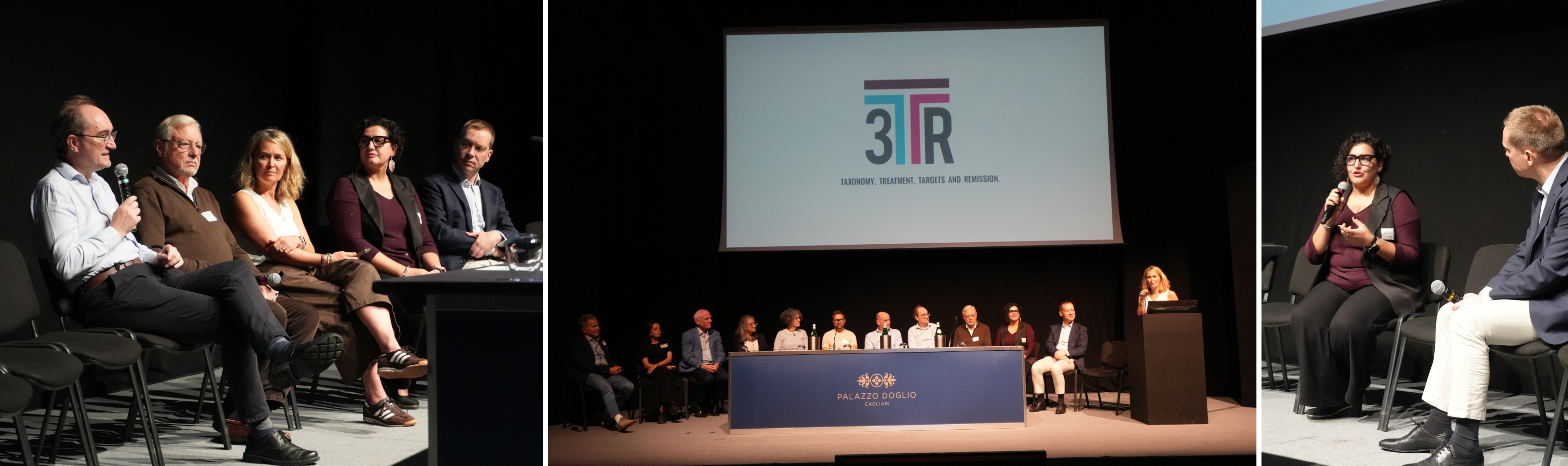
3TR Annual Meeting 2026: Advancing Cross-Disease Research and Rethinking Treatment Success
The 3TR consortium gathered in Cagliari, Sardinia, from 8 to 9 October 2026 for its seventh Annual Meeting, hosted by the University of Cagliari. Bringing together researchers, clinicians, industry partners, and patient representatives from across Europe, the two-day meeting offered an opportunity to share scientific progress, strengthen collaboration, and align priorities for the project's next steps.
A key message from the opening discussions was the importance of 3TR's collaborative approach across disciplines, disease areas and sectors. The consortium's ability to join diverse expertise and analyse data across disease boundaries remains a defining strength of the project, demonstrating the value of public-private partnerships in medical research.
The first meeting day combined strategic discussions and project updates with disease-specific breakout sessions, allowing research teams to review progress, address challenges and align priorities for the next stages of the project.
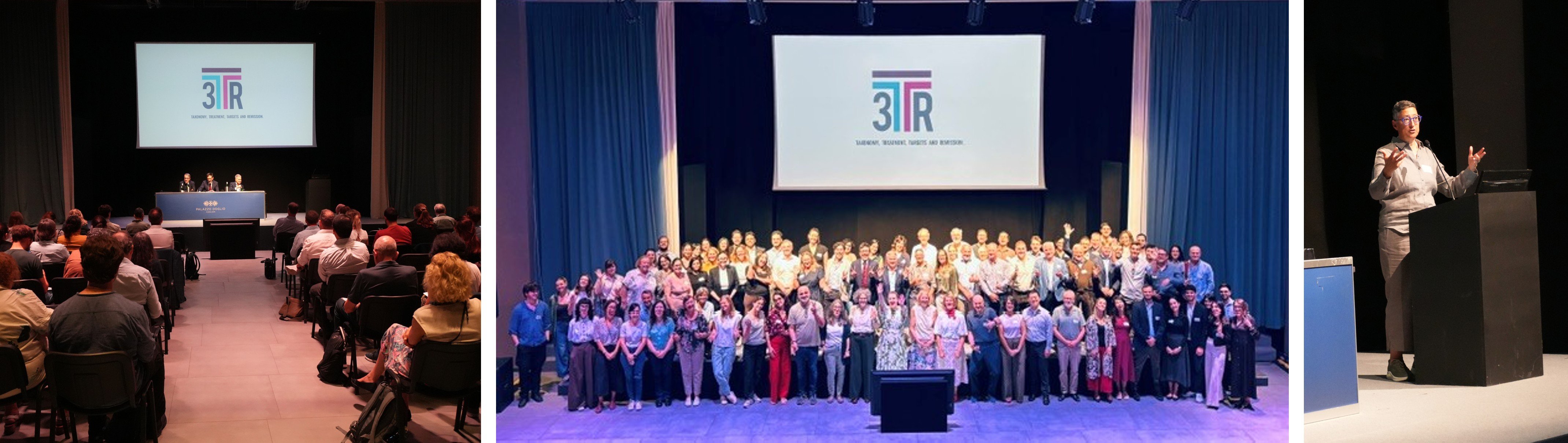
Early-Career Researchers Share New Insights from 3TR Data
The second day opened with scientific presentations by early-career researchers from across the different 3TR disease areas.
Ana Brescia Zapata, Johan Kolmert, James Perera, Joana P. Bernardes, Florian Tran, Felix Wohlrab and Pablo Caballero shared insights into their ongoing work and preliminary findings from analyses of 3TR data.
Their presentations showcased the breadth of research being conducted within the consortium and sparked lively discussions and new perspectives. The session also highlighted the important contributions of the next generation of scientists to advancing 3TR's research ambitions and making the most of the project's rich datasets.
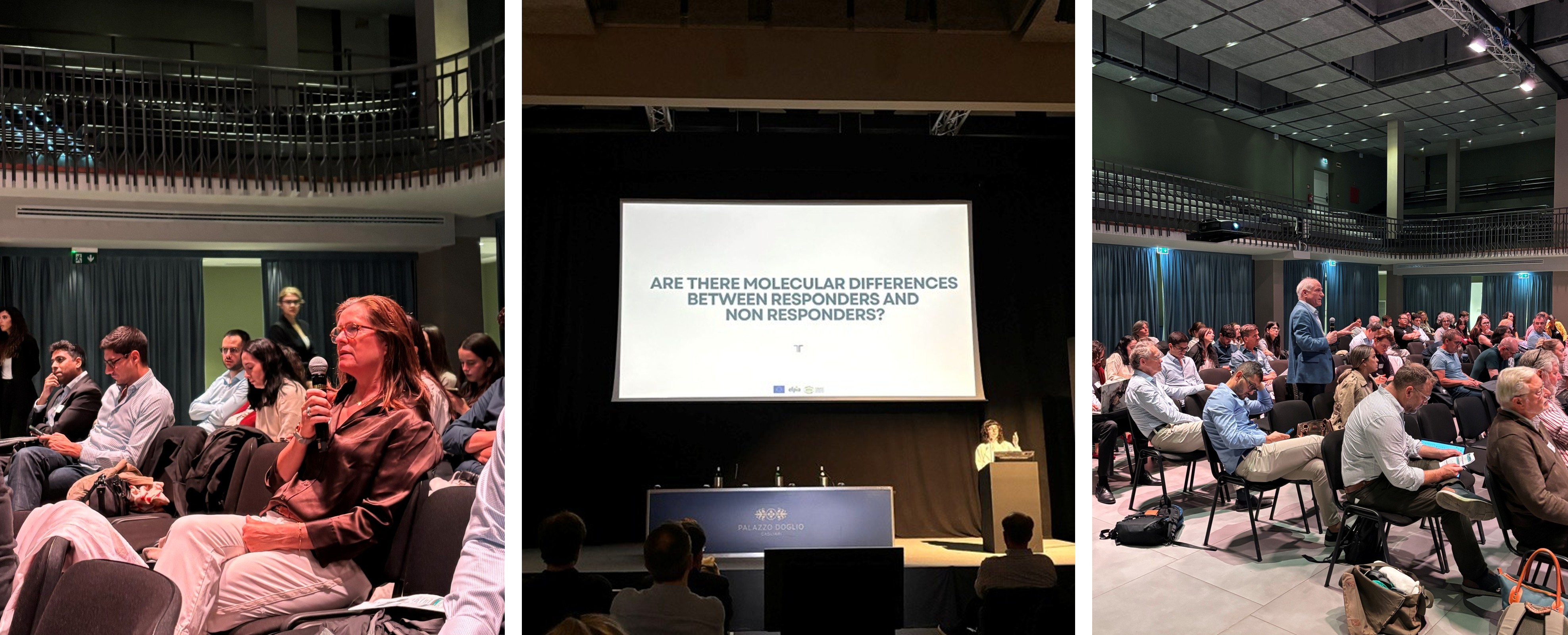
Beyond Clinical Remission: Exploring What Treatment Success Means to Patients
A particular highlight of the second day was a dedicated patient roundtable bringing together patient representatives, researchers, clinicians and industry partners to discuss how treatment success can be defined and measured in ways that better reflect patients' experiences and priorities.
“Every person is different, and every day is different.”
This powerful statement from a patient representative captured a central theme of the discussion: living with a chronic immune-mediated disease is a highly individual experience, and the impact of a disease can vary considerably from day to day.
While clinical assessments often focus on measurable indicators of disease activity, these do not always capture the full reality of living with a chronic condition. Even when clinical indicators suggest that a disease is under control, symptoms such as fatigue, pain or brain fog may persist, significantly affecting everyday life. In other words: Clinical remission does not necessarily mean remission from a patient's perspective.
The roundtable explored both the opportunities and challenges of better integrating patient-reported outcomes (PROs) into treatment evaluation. Examples from different disease areas illustrated the complexity of defining meaningful outcomes. Discussions also addressed the potential of digital tools to capture changes in patients' symptoms and well-being between clinical visits, while ensuring that monitoring does not become an additional burden.
The exchange highlighted the value of continued dialogue across disease areas to identify shared challenges and explore more holistic approaches to assessing treatment success. The active involvement of patient organisations and patient representatives across the different disease areas is an integral part of 3TR, helping to ensure that patients' perspectives are heard and reflected throughout the project's scientific work.
For further insights into the discussions and perspectives shared during the roundtable, read the dedicated article by our fellow 3TR consortium member, the European Lung Foundation.